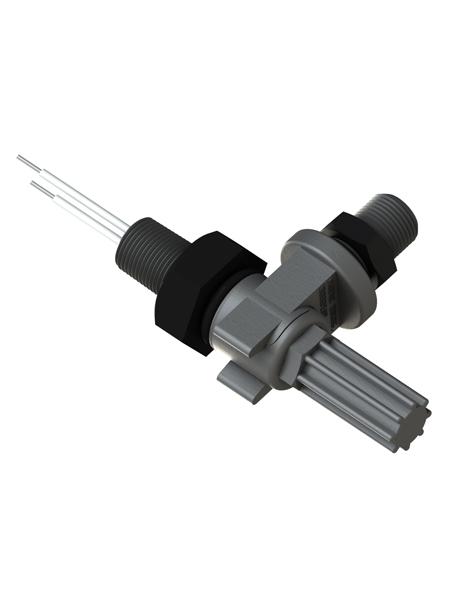
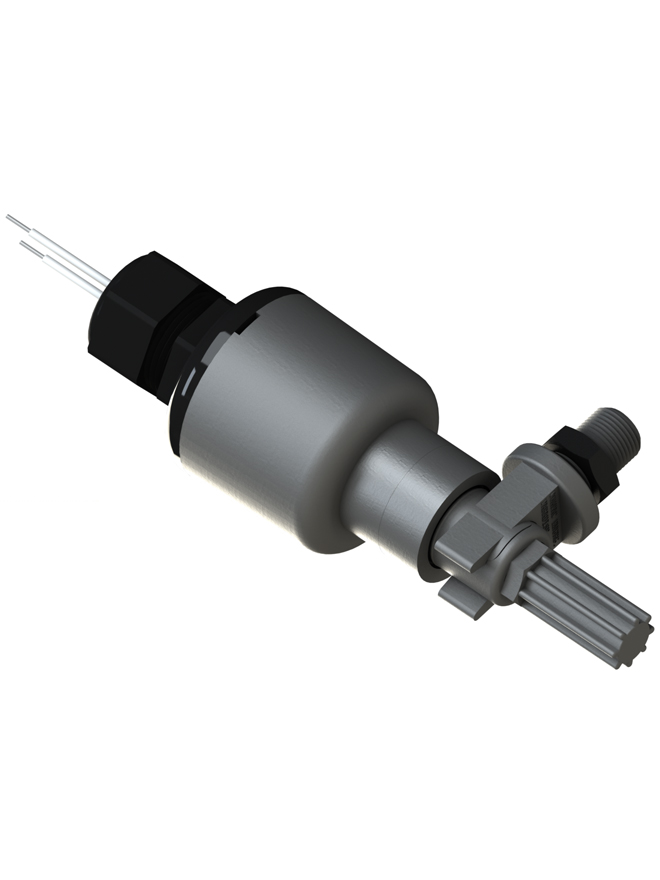
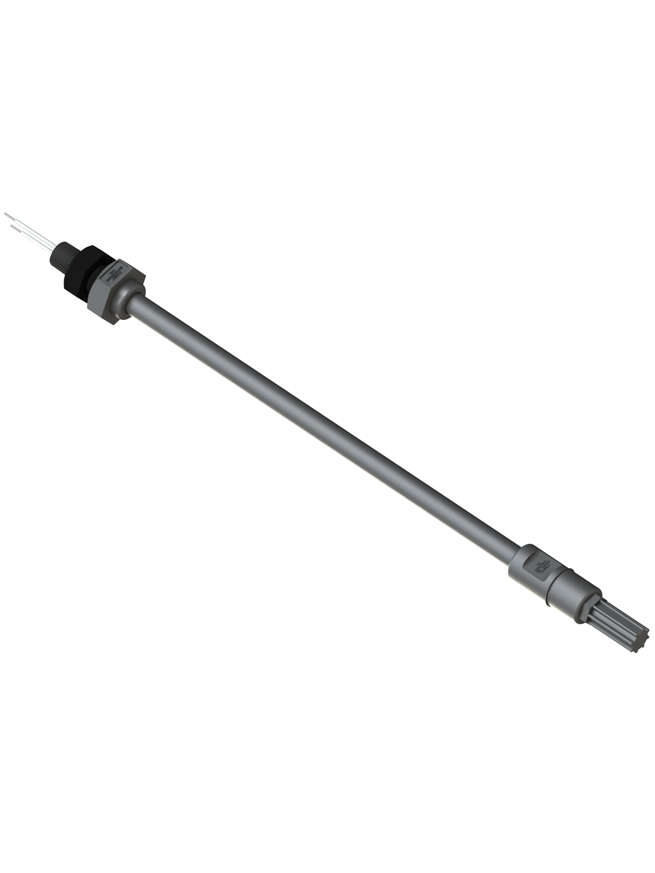
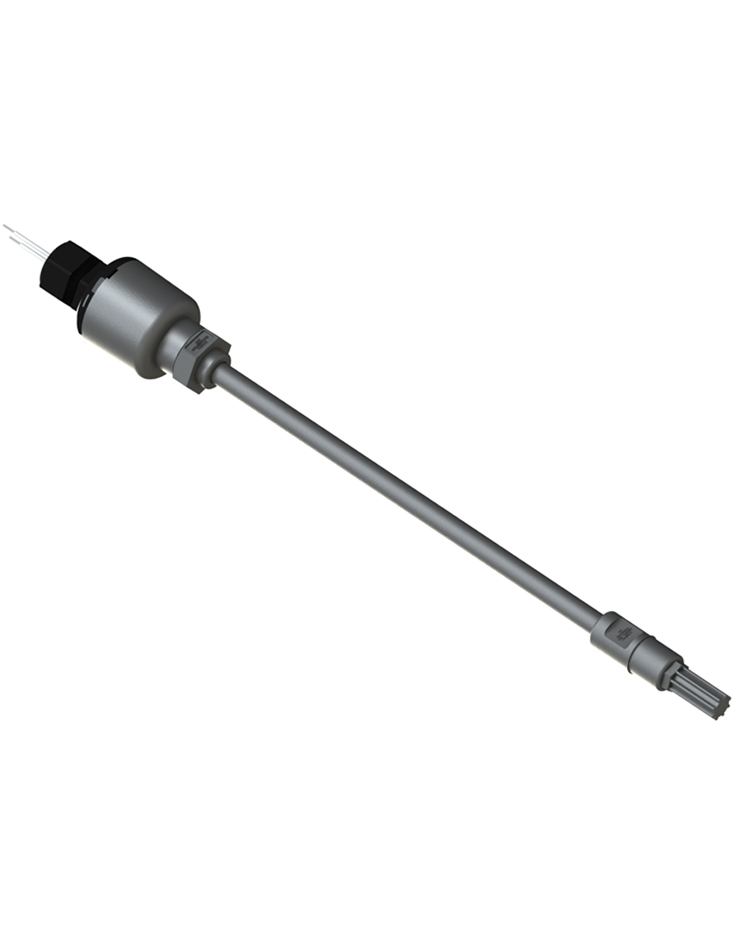
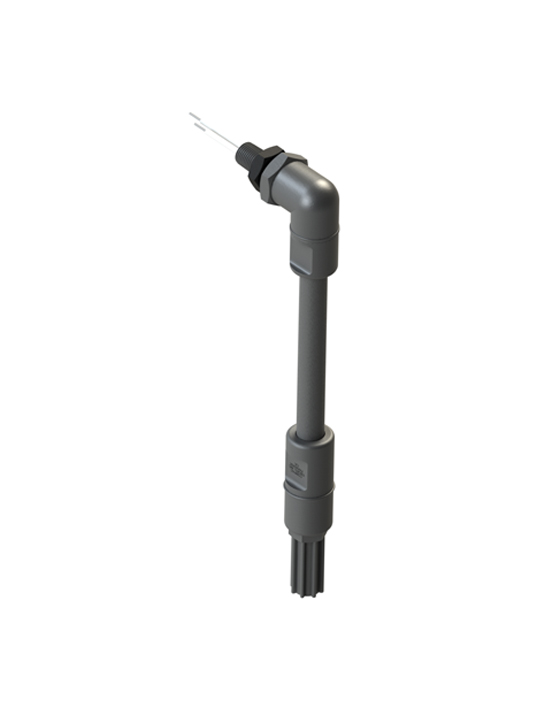
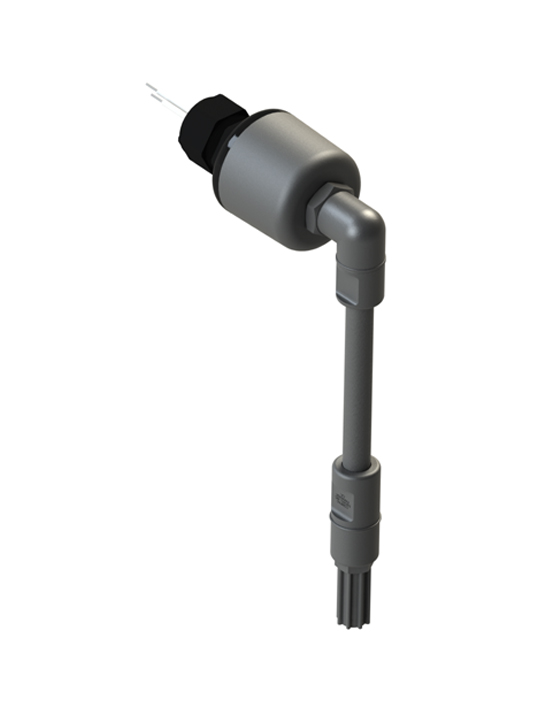
ERECTA SWITCH® by Compac Engineering
ERECTA SWITCH®  |  Series 11 Temperature Switches

Bimetallic Disc Temperature Switching
for Precision Thermal Protection

Nineteen model configurations across two categories — Temperature Switch Sets and Temperature Probe Sets. Close-on-rise and open-on-rise contact forms. Factory-set setpoints from 0°C to 100°C. Three chemical-resistant materials. Fully compatible with Series 10 extended stem assemblies.

19
Model Numbers
16
Temperature Setpoints
3
Materials
0–100°C
Setpoint Range
Not sure this is the right series for your application? Use the selection guide →

All 19 Series 11 Temperature Switch Models

All models use the same bimetallic disc sensing element. Select any model to view available materials, pack sizes, and pricing.

Series 11 Bimetallic Disc Temperature Switch

Bimetallic Disc Creep-Action Switching

Series 11 temperature switches use a PEPI creep-action bimetallic disc — two metals with different thermal expansion coefficients bonded together — that deforms progressively as temperature changes, opening or closing an electrical contact at a factory-set trip point. The mechanism is entirely mechanical and requires no external power source.

  • 16 factory-set setpoints — codes A through P covering 0°C to 100°C. Opens-on-rise and closes-on-rise. No field adjustment required.
  • Close-on-rise & open-on-rise — both contact forms available. COR activates a circuit on overtemperature; OOR breaks a circuit.
  • Built-in hysteresis — the disc resets at a lower temperature than the trip point, preventing rapid cycling near the setpoint.
  • Series 10 compatible — same 1/8″ NPT thread. Substitutes into any level position on multi-level extended stem sets.

Creep-Action vs Snap-Action — Which One Your Application Needs

Bimetallic switches come in two mechanisms, and they are not interchangeable. Series 11 is creep-action. The disc deflects progressively with temperature and the contact transitions gradually, giving ±5°C typical accuracy and a slow response. A snap-action disc stores mechanical energy and snaps over abruptly at its trip point, giving a faster transition and a tighter, more sharply defined hysteresis band.

  Creep-action (Series 11) Snap-action (snap-disc thermostats)
Contact transitionProgressive — the disc deforms with temperatureAbrupt — the disc snaps over
ResponseSlow. ±5°C typical accuracyFast, tightly defined
Setpoint16 factory-set codes A–P, 0–100°C. No field adjustmentOften fixed; adjustable versions exist
Contact wearSlower interruption — more vulnerable to inductive kickbackFaster interruption reduces arc dwell
SuitsOvertemperature alarm and shutdown, cooling activation, wetted OEM assemblies in PP/Acetal/KynarTight cycling control where a few degrees matter
If you need a snap-disc thermostat, Series 11 is not it. We build creep-action switches. Where the application needs fast, sharply defined switching within a few degrees, a snap-action device is the correct choice and we would rather tell you now than after you specify one. Where a wetted, chemically resistant switch in Polypropylene, Acetal or Kynar PVDF matters more than transition speed, Series 11 is built for exactly that.
Creep-action changes how you wire it. Because the contact interrupts slowly, an inductive load — a solenoid, contactor or relay coil — sustains an arc across the contacts for longer than a snap-action device would. Series 11 is rated 6A at 120 VAC resistive and 5A at 120 VAC inductive, but beyond that, isolate the load with a Series 50 relay. See the tech note Why Bimetallic Temperature Switches Need Contact Protection in the Engineering Library.
See Series 10 Integration →
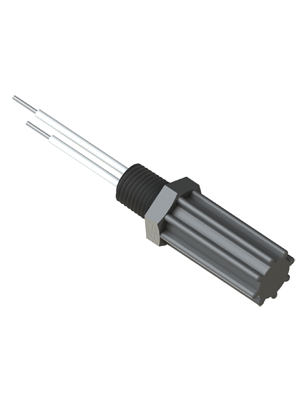
Common Ratings — All Series 11

All 19 configurations share the same core bimetallic disc ratings. Material selection affects chemical compatibility only.

6A · 120V
Electrical Rating AC (Resistive)
0–100°C
Setpoint Range (16 Codes)
16
Factory-Set Setpoints (A–P)
COR / OOR
Contact Forms Available
1/8″ NPT
Thread Size
50 PSI
Max Pressure @ 20°C
Creep-Action
Switching Mechanism
RoHS
Compliance
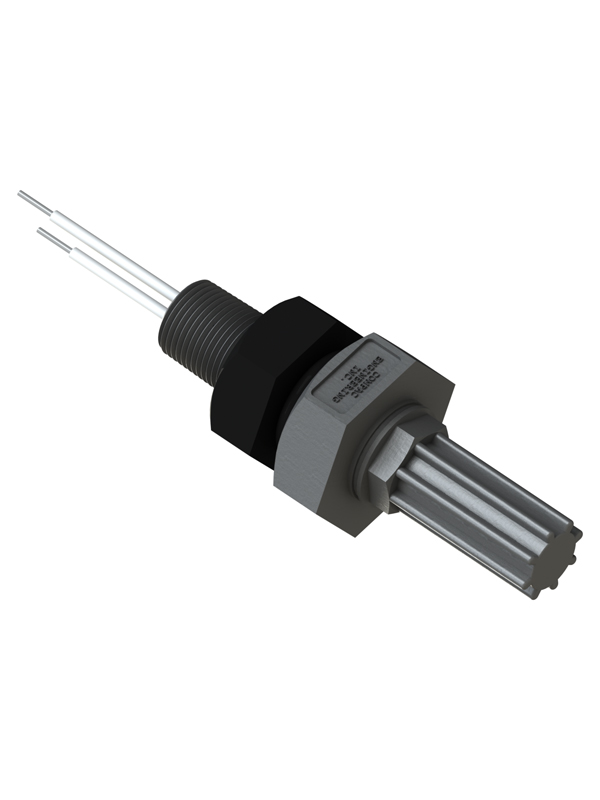
ModelNameMount TypePPACKR10-715Receptacle
Temperature Switch Sets (11 Models)
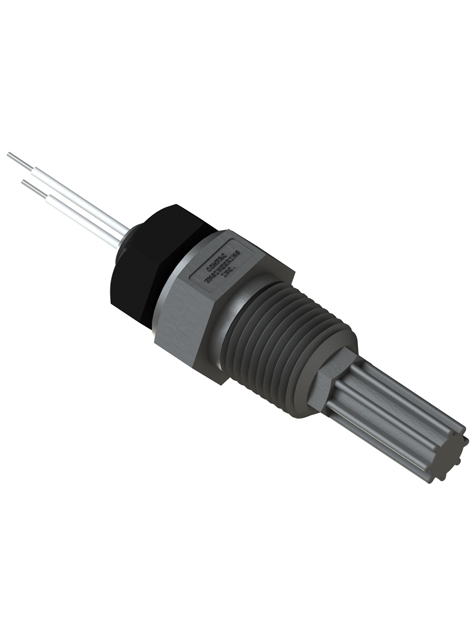
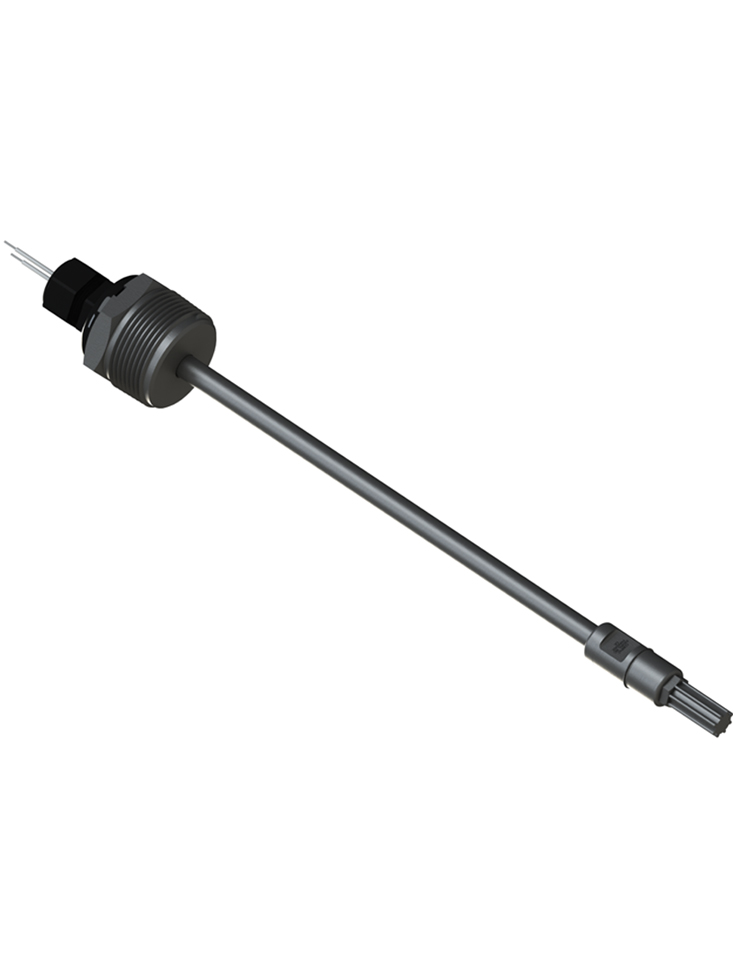
11-800Base Switching Element1/8″ NPT Direct
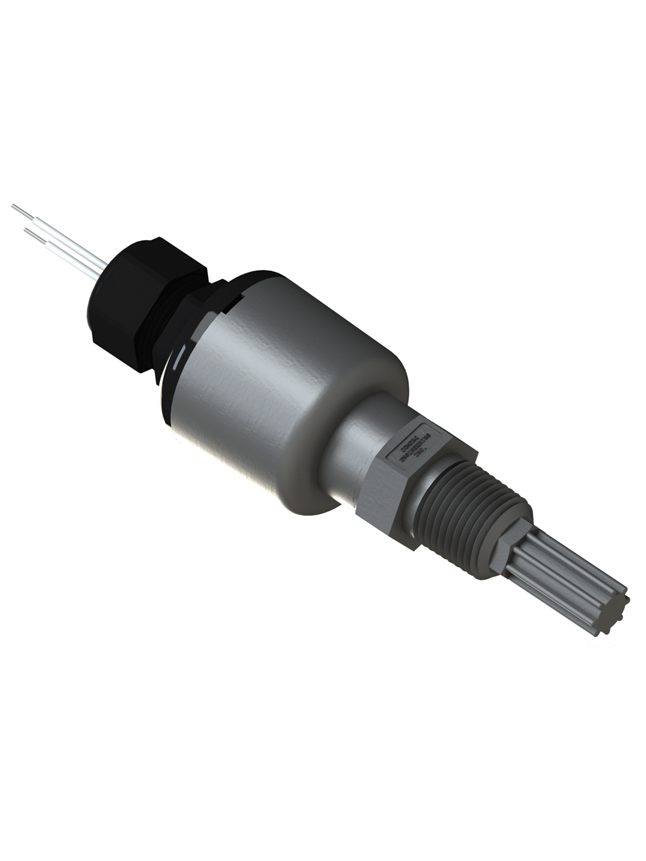
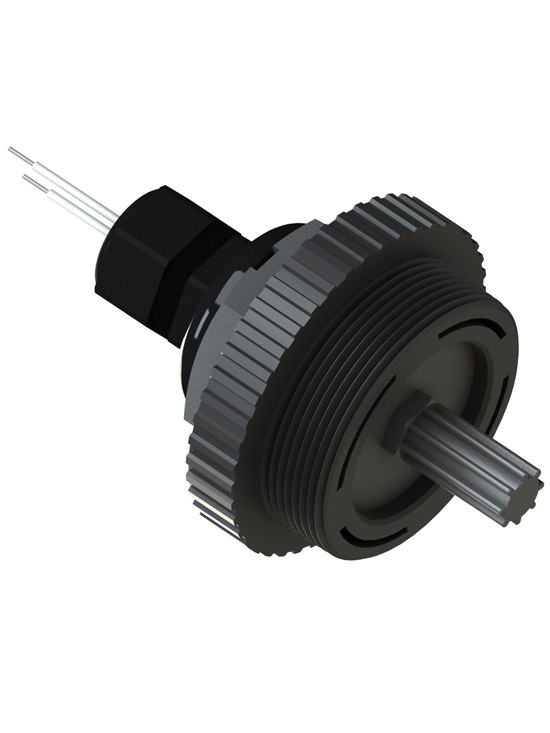
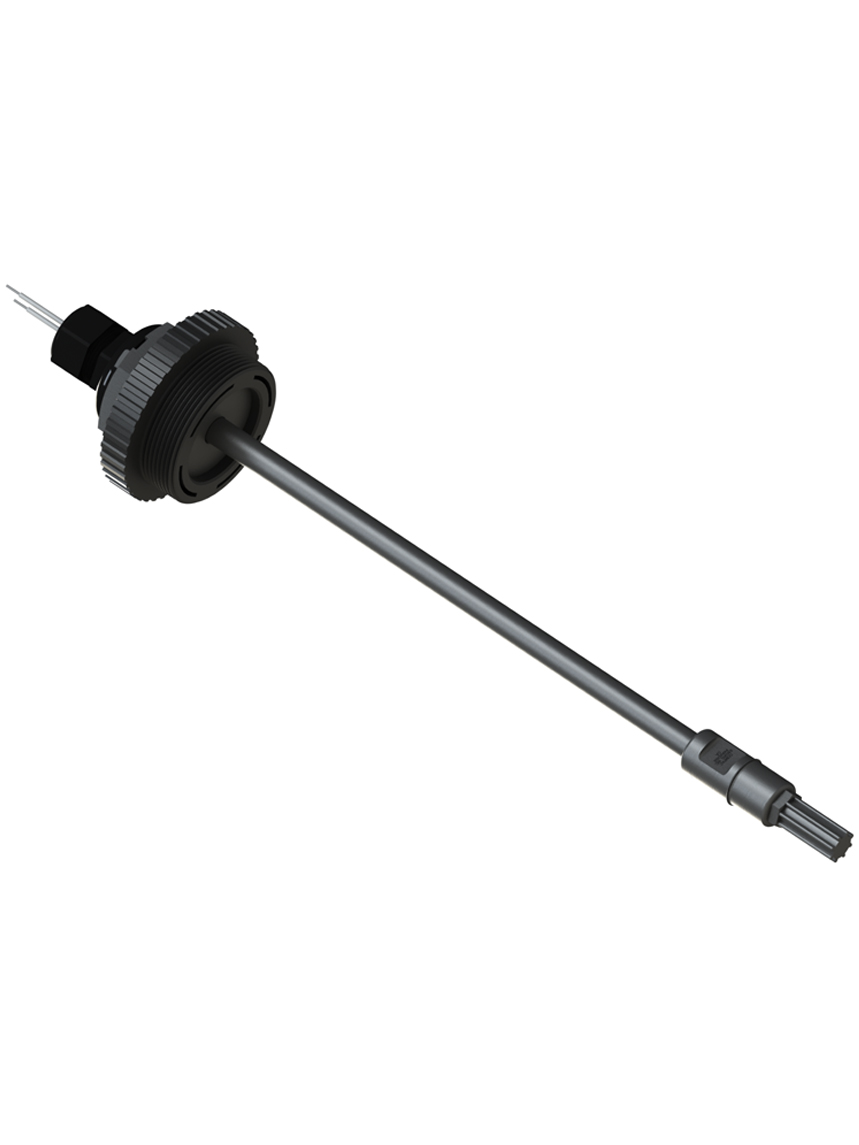
11-805Compact Dual-Thread Bulkhead1/4″ & 1/2″ NPT
11-805-RCompact Dual-Thread + Receptacle1/4″ & 1/2″ NPT
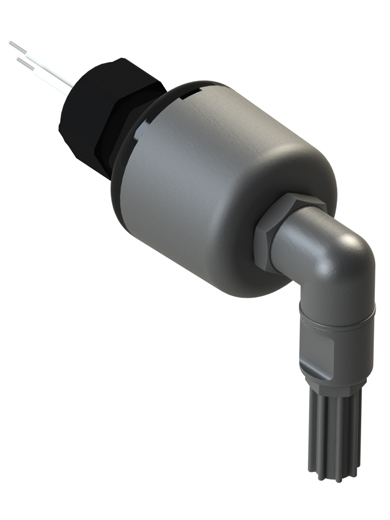
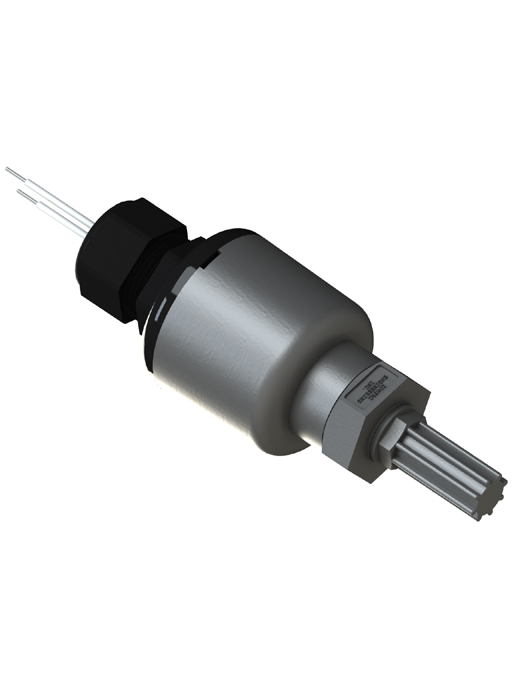
11-888Compact Angle with O-Ring0.406″ Hole + O-Ring
11-888-RCompact Angle + Receptacle0.406″ Hole
11-8921/4″ NPT Bulkhead Mount1/4″ NPT Direct
11-892-R1/4″ Bulkhead + Receptacle1/4″ NPT
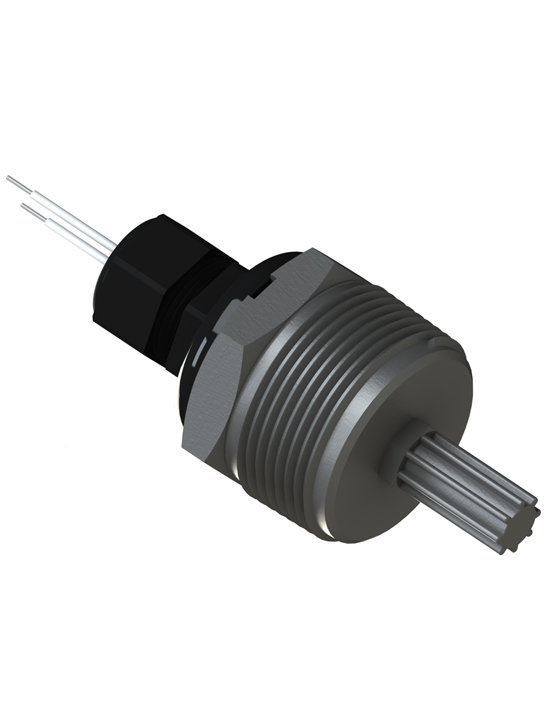
11-893-R1-1/4″ NPT + Receptacle1-1/4″ NPT
11-894-R2″ NPT Adapter + Receptacle2″ NPT
11-895Compact Snap-In BracketSnap-In Bracket
11-895-RSnap-In Bracket + ReceptacleSnap-In
Temperature Probe Sets (8 Models) — Require 10-715 Precision Nipple
11-801Bulkhead Vertical MountBulkhead Fitting
11-801-RBulkhead Vertical + ReceptacleBulkhead
11-8021-1/4″ NPT Receptacle Mount1-1/4″ NPT
11-8032″ NPT Adapter2″ NPT
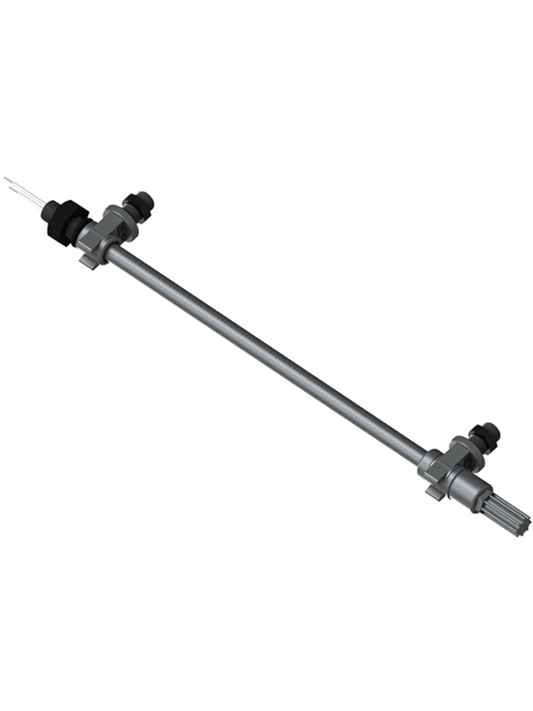
11-809Snap Bracket Pipe MountSnap Bracket
11-809-RSnap Bracket + ReceptacleSnap Bracket
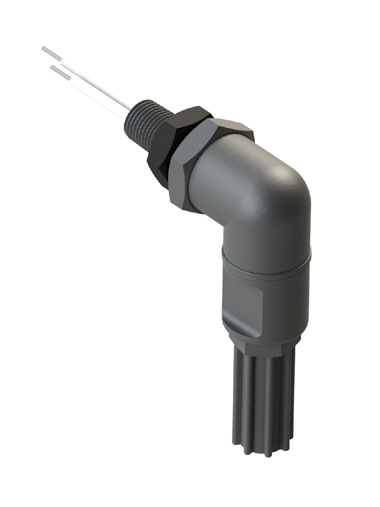
11-810Angle Connector Wall MountAngle Connector
11-810-RAngle Connector + ReceptacleAngle

Three Chemical-Resistant Materials

All 19 Series 11 models are available in three thermoplastic materials. Select based on the fluid chemistry in your application.

PP — Polypropylene

General Purpose · Gray Body

Water, soaps, coolants, dilute acids, and alkaline cleaning solutions. The standard specification for aqueous applications. Lowest cost per unit.

AC — Acetal

Hydrocarbons · Red Body

Gasoline, diesel, hydraulic oil, motor oil, kerosene, and petroleum-based fluids. The correct specification when polypropylene is incompatible with the fluid chemistry.

KR — Kynar PVDF

Aggressive Chemicals · Natural Body

Concentrated acids, caustics, oxidizers, halogens, and high-purity process fluids. The highest-performance Series 11 specification for demanding chemical environments.

Temperature Switch Applications

Series 11 bimetallic disc switches provide reliable overtemperature protection and thermal monitoring across OEM and industrial applications.

Overtemperature Alarm & Shutdown

Safety Critical

Activate audible or visual alarms, or shut down equipment entirely, when fluid temperature exceeds a safe operating limit. Open-on-rise setpoint codes (A–H) break the circuit to de-energize heaters, pumps, or compressors.

Opens-on-RiseCodes A–H

Cooling System Activation

Process Control

Close-on-rise setpoint codes (I–P) energize cooling fans, solenoid valves, or circulation pumps when fluid temperature reaches the setpoint. Automatic reset when temperature drops below the hysteresis band.

Closes-on-RiseCodes I–P
💧

Combined Level + Temperature Monitoring

Multi-Function Sensing

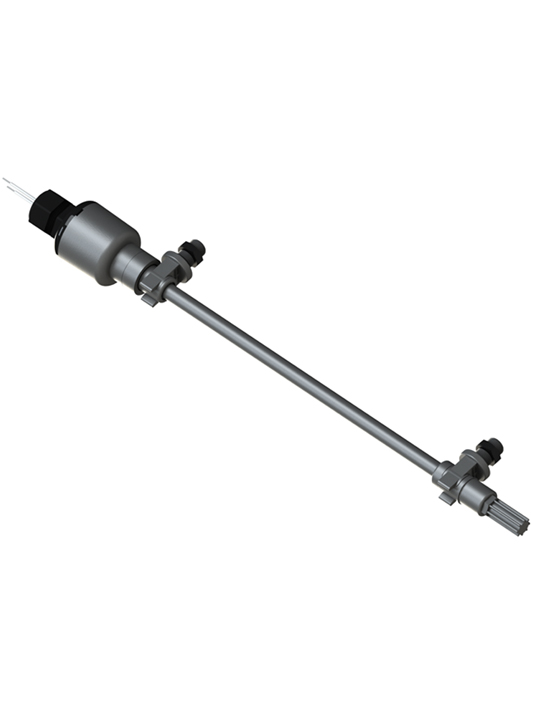
Integrate a Series 11 temperature switch into any level position on a Series 10 multi-level extended stem set. Monitor both liquid levels and temperature limits through a single tank penetration.

All S11 Models+ Series 10
🔌

Adjustable-Depth Temperature Probing

Temperature Probe Sets

Temperature Probe Sets use the 10-715 Precision Nipple to position the bimetallic disc at any depth from 1″ to 70″ below the mounting point. NL (Nipple Length) is calculated from the installation drawing.

11-80111-80211-803+ 5 more

Series 11 FAQ

A bimetallic disc is made of two metals with different thermal expansion rates bonded together. As the temperature rises, differential expansion causes the disc to deform progressively. This movement opens or closes an electrical contact at a precise, factory-calibrated trip point. The mechanism is entirely mechanical, requires no external power, and provides repeatable switching at that trip point.
Close-on-rise (COR) switches have contacts that are normally open at ambient temperature and close when the sensed temperature reaches the factory-set trip point — ideal for activating alarms, fans, or cooling systems. Open-on-rise (OOR) switches have contacts that are normally closed at ambient and open at the trip point — commonly used to shut down heaters, pumps, or equipment when a safe temperature limit is exceeded. Setpoint codes I–P are close-on-rise; codes A–H are open-on-rise.
Series 11 temperature switches offer 16 factory-set setpoint codes (A through P) covering a range from 0°C to 100°C. Each setpoint code is a distinct part number suffix. No field adjustment is required or possible, ensuring repeatable, tamper-proof operation.
Temperature Switch Sets (11 models) are compact, self-contained assemblies that mount directly without requiring an additional precision nipple. Temperature Probe Sets (8 models) use the 10-715 Precision Nipple (ordered separately) to set the sensing depth from 1″ to 70″ below the mounting point. Both categories use the same bimetallic disc sensing element, the same 16 setpoint codes, and are available in all three materials (PP, Acetal, Kynar PVDF).
Yes. Series 11 temperature switches use the same 1/8″ NPT thread and are fully compatible with Series 10 extended stem assemblies. On multi-level configurations, any level position can be substituted with a Series 11 temperature switch — allowing combined level and temperature monitoring through a single tank penetration.
No minimum. Series 11 products are available as single units or in 10-packs with tiered pricing. OEM pricing for quantities above published tiers is available on request. All products ship Wednesdays from Paradise, California.
They are different mechanisms and are not interchangeable. Series 11 is creep-action: the PEPI bimetallic disc deflects progressively as temperature changes and the contact transitions gradually, giving ±5°C typical accuracy and a slow response. A snap-action disc stores mechanical energy and snaps over abruptly at its trip point, giving a faster transition and a tighter, more sharply defined hysteresis band. Creep-action suits overtemperature alarm and shutdown, cooling activation, and wetted OEM assemblies in Polypropylene, Acetal or Kynar PVDF. If your application needs fast, sharply defined switching within a few degrees, a snap-disc thermostat is the correct device — and Series 11 is not it.
Yes, for inductive loads. Because a creep-action contact interrupts slowly, a solenoid, contactor or relay coil sustains an arc across the contacts for longer than a snap-action device would. Series 11 is rated 6A at 120 VAC resistive and 5A at 120 VAC inductive, with a 2A maximum at 240 VDC resistive. Beyond those figures, isolate the load with a Series 50 relay. The tech note Why Bimetallic Temperature Switches Need Contact Protection in the Engineering Library covers the damage mechanisms and protection methods in detail.

Ready to Specify?

No minimums. Free evaluation samples. Engineering support available by phone.